
Financial hardship can hit anyone — whether it’s from job loss, medical bills, or just the high cost of staying afloat. The good news? If you’re struggling, many lenders, service providers, and agencies do offer relief. But they usually won’t volunteer it. You have to ask — and you have to ask the right way.
This guide walks you through how to apply for financial hardship relief in a way that boosts your odds of success. Whether you’re behind on credit card payments, mortgage bills, utilities, or student loans, the process starts with knowing your rights, preparing your case, and making the call.
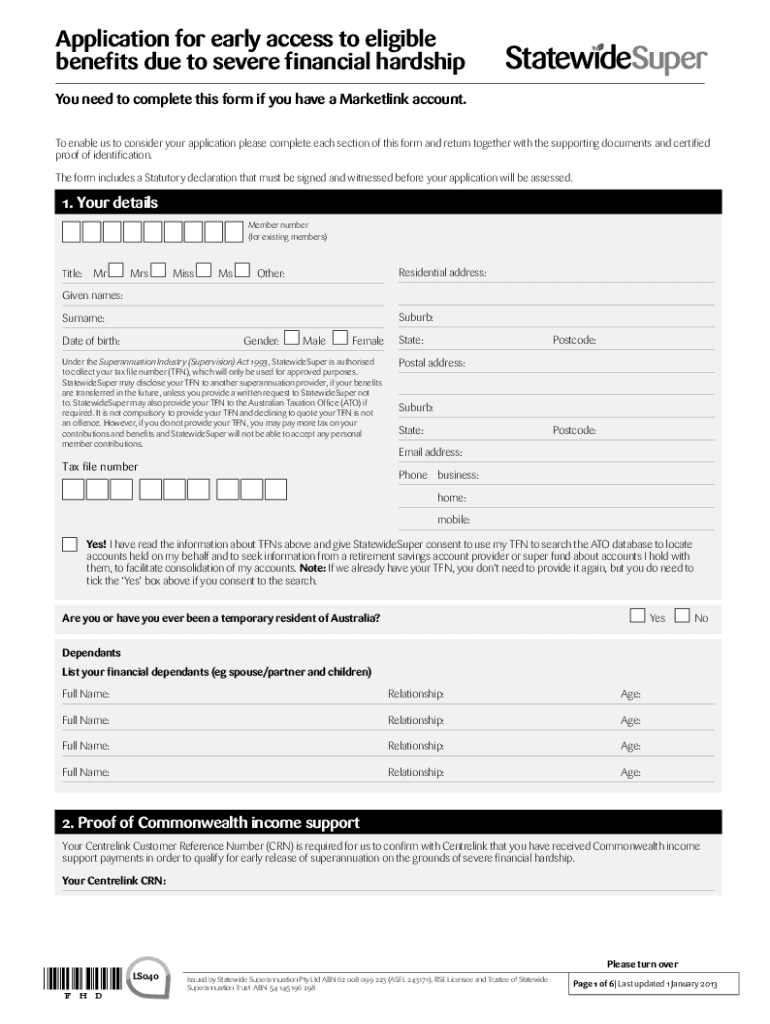
What Is Financial Hardship Relief?
Hardship relief refers to temporary adjustments to your financial obligations based on a qualifying hardship, such as:
- Job loss or reduced income
- Medical emergencies
- Divorce or death of a household earner
- Natural disasters or unexpected caregiving responsibilities
The type of relief depends on the creditor, but may include:
- Payment deferrals
- Reduced payment plans
- Loan modifications
- Paused interest or late fees
- Extended repayment terms
Not all relief programs are advertised. Some are considered “internal accommodations,” only offered if you request them.
Step 1: Get Clear on Your Situation
Before contacting anyone, write down:
- Why you’re struggling (in simple terms)
- What changed financially (e.g. job loss, emergency)
- What you can afford to pay (if anything)
- Your current income and major expenses
You’ll need this information to explain your hardship clearly and credibly. Keep it concise and factual — emotion helps humanize your case, but clarity wins approvals.
Step 2: Identify Which Creditors or Providers Offer Relief
Some organizations have formal hardship programs. Others make decisions case-by-case. Here’s who to contact and what to ask for:
- Credit card issuers: Ask about forbearance, reduced APRs, or structured hardship plans
- Mortgage lenders: Ask about deferrals, loan modification, or CARES Act-related programs
- Student loan servicers: Ask about income-driven repayment plans, deferments, or forgiveness options
- Utility companies: Ask about payment plans, forgiveness grants, or state-funded aid
- Auto lenders: Ask for skipped payment options or refinancing
- Landlords: Ask about rent deferral or flexible payment terms
Look for their “hardship department” or “loss mitigation” teams — these are often different from regular customer service.
Step 3: Make the Call (or Send the Letter)
This is how to ask effectively:
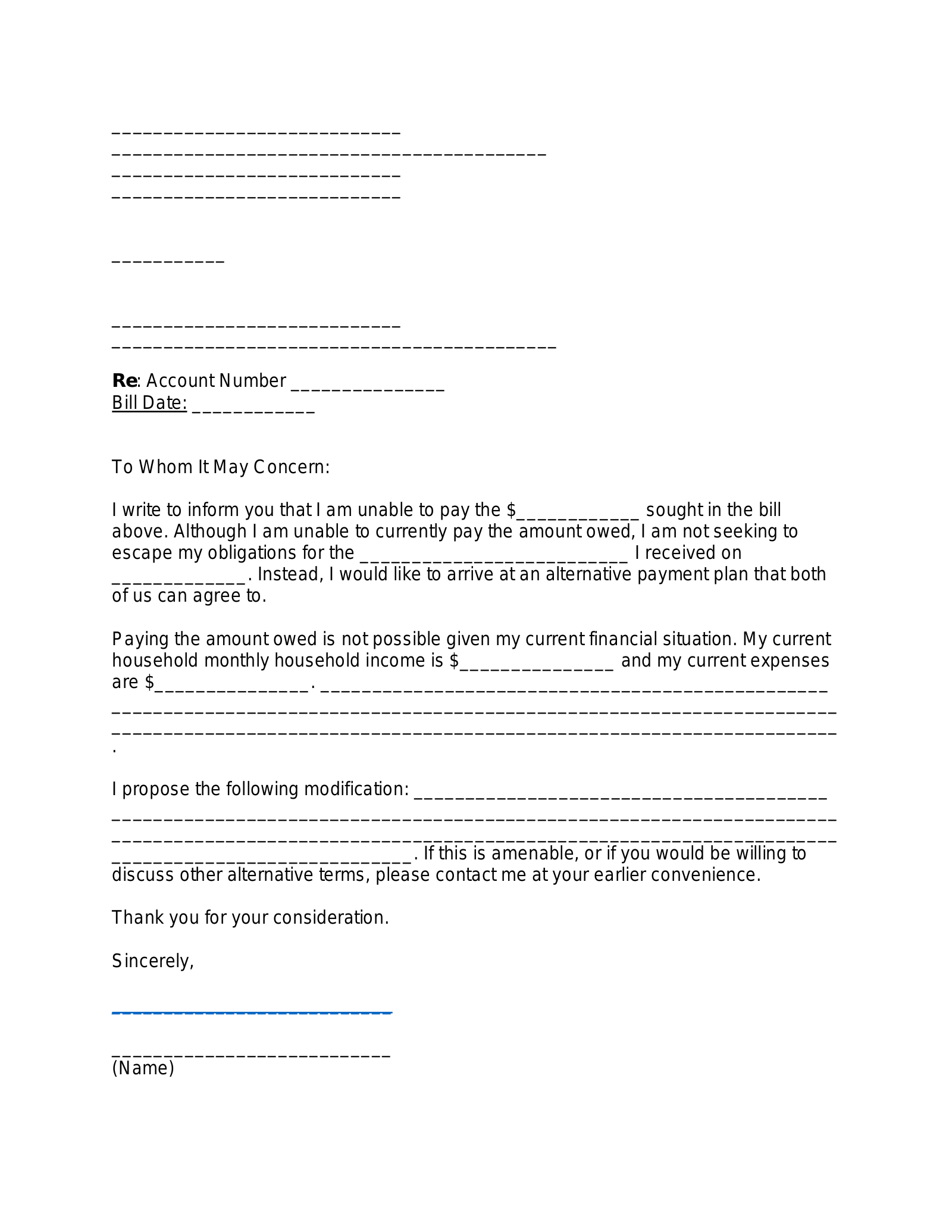
- Call directly or send a written request (email or letter is fine)
- Clearly state your hardship and when it started
- Include specific details like job loss date, medical bills, or reduced hours
- Be honest, but focused — your goal is a professional, solution-oriented tone
Sample script for a credit card issuer:
“Hi, I’ve experienced a loss of income due to [reason]. I want to keep my account in good standing, but I can’t make my full payments right now. Do you offer any hardship programs, payment plans, or temporary relief options?”

Step 4: Document Everything
After your conversation or written request:
- Ask for written confirmation of any agreement
- Write down the name and ID of the rep you spoke with
- Set reminders for future payments or check-ins
If they offer a deferment or reduced plan, make sure you understand the terms:
- Will interest continue to accrue?
- Will payments be added to the end of the loan?
- Will this affect your credit report?
You’re better off asking questions now than finding out the hard way later.
Step 5: Follow Through — or Appeal
If your request is approved:
- Stick to the plan. One late payment could cancel the agreement.
- Contact them immediately if your situation worsens.
If you’re denied:
- Ask for the reason
- Consider escalating to a supervisor or sending a formal appeal
- Look for alternative relief, such as local nonprofits, legal aid, or state assistance programs
Tip: Just applying shows good faith. Even if denied, many creditors note that you reached out, which may help if your account later goes to collections.
Common Mistakes to Avoid
- Waiting too long: Contact lenders before you fall behind
- Being vague or emotional: Keep your request focused and verifiable
- Failing to ask: Some programs aren’t public — you need to ask directly
- Ignoring next steps: Agreements often come with strict timelines
Quick Checklist for Applying
- ✅ List your hardship and financial changes
- ✅ Identify eligible lenders and services
- ✅ Call or write with a clear, respectful request
- ✅ Confirm all agreements in writing
- ✅ Set calendar reminders for follow-ups
This Is Why It Matters
When you’re overwhelmed, it’s easy to go silent. But silence is often what makes things worse. Reaching out — even if the answer is no — gives you a better chance at preserving your credit, avoiding late fees, and getting through tough times with less damage.
Financial hardship doesn’t have to define your future. A few smart calls and the right words can buy you the time and flexibility to reset and rebuild.